
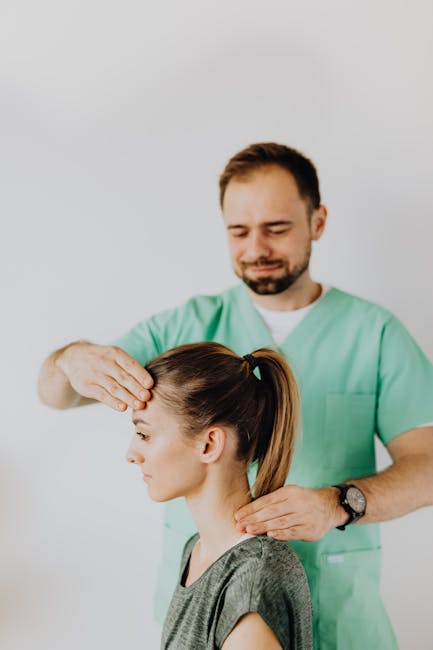
Living in Smithtown, New York, can offer many benefits, from beautiful parks to vibrant downtown life and a strong sense of community. However, like anywhere else, residents here are not immune to the pressures of modern living. Balancing work, family, and social obligations—especially in a busy Suffolk County suburb—can lead to increased stress. As a chiropractor serving the Smithtown area, I frequently encounter patients who are surprised to learn just how closely their emotional wellbeing is tied to their physical health, especially when it comes to back pain. Let’s explore the direct link between stress and back pain, why this matters specifically to people in Smithtown, and how you can take proactive steps to protect your spine and overall health.
Understanding the Connection Between Stress and Back Pain
Stress isn’t just a mental or emotional experience; it triggers a cascade of physical responses in your body designed for “fight-or-flight.” While this can be helpful in short spurts, chronic stress, which is far more common today, can harm your musculoskeletal system.
- Stress causes muscle tension, especially in the neck, shoulders, and lower back.
- Persistent tension puts strain on the spine and surrounding muscles, leading to fatigue, poor posture, and discomfort.
- Stress can also exacerbate existing conditions like herniated discs or sciatica.
Many Smithtown residents experience long commutes to offices in nearby cities, manage demanding schedules, or face pressures typical of suburban living, all of which can lead to unnoticed or untreated stress. Over time, this chronic tension is a leading cause of back pain.
How Stress Manifests in Back Pain
The mind-body connection is especially evident when it comes to musculoskeletal pain. When you’re stressed:
- Your body releases cortisol and adrenaline, which increase inflammation and muscle tension.
- You might unconsciously hunch your shoulders while driving or working at your desk.
- Stress can cause sleep disturbances, preventing your body from repairing itself overnight.
These physiological reactions are often magnified by lifestyle factors. For instance, many Smithtown locals spend hours commuting by car or train or sitting behind desks in home offices—a setup that easily amplifies poor posture and tension induced by stress.
Common Questions: How Do I Know if My Back Pain is Stress-Related?
Not all back pain is caused by stress, but you might notice some telltale signs, such as:
- Pain that fluctuates with your mood or stress levels
- Muscle tightness that worsens after a long day but improves on weekends or vacations
- Headaches or tension in your neck and upper back, often paired with irritability or trouble sleeping
Smithtown’s fast-paced lifestyle can make it difficult to pinpoint whether your pain is physical, psychological, or both. If you notice these patterns, stress could be a significant factor.
Why Smithtown Residents Are Prone to Stress-Related Back Pain
Smithtown is known for its hardworking residents and active community members. Whether you’re shuttling kids to extracurriculars at Nesconset or maintaining a business downtown, your plate is likely full. The natural beauty of Caleb Smith State Park and Blydenburgh Park offers a reprieve, but many locals simply don’t have time to decompress. This constant busyness leaves little opportunity for muscle relaxation, stretching, or proper posture, all of which are crucial in keeping back pain at bay.
On top of that, the transition to remote or hybrid work has left many with less-than-ideal ergonomic setups at home. Without proper support, even minor stress can manifest as persistent aches and pains.
Practical Strategies for Managing Stress and Preventing Back Pain
Fortunately, Smithtown residents have many resources to help manage stress and protect spinal health. Here are some evidence-based approaches:
- Stay Active: Regular movement—such as walking at the Landing Avenue Park or hiking local trails—can decrease muscle tension and improve mood.
- Improve Ergonomics: Make sure your workstation is set up ergonomically. Small changes in chair height, keyboard placement, and monitor position can dramatically affect posture and back comfort.
- Mindfulness and Deep Breathing: Incorporating short mindful breaks, meditation, or even yoga at home can reduce the body’s stress response and ease spinal tension.
- Stretch Regularly: Add simple stretches for your neck, shoulders, and back into your daily routine, especially after long periods of sitting or driving.
- Seek Professional Guidance: A chiropractor can offer tailored advice for managing stress-related back pain, including spinal adjustments, soft tissue therapy, and practical lifestyle modifications.
When to Consult a Smithtown Chiropractor
If your back pain persists despite trying these strategies, it’s essential to consult a healthcare professional. A chiropractor can assess your symptoms, lifestyle, and stressors to create an individualized care plan. Don’t wait until minor discomfort becomes a more significant issue—early intervention can save you time, money, and unnecessary pain.
Smithtown’s chiropractors specialize in holistic treatment approaches that address both the physical and emotional aspects of health. By working together, you can restore your mobility, reduce pain, and reclaim your quality of life.
Takeaways for a Healthier, Happier Smithtown Life
Back pain and stress often go hand-in-hand. The unique pace of life in Smithtown—with its blend of suburbia, community activity, and professional ambition—can make it challenging to find time for self-care. However, prioritizing stress management pays dividends not just for your spine, but for your overall wellbeing.
Remember:
- Stress-related back pain is common but manageable.
- Regular movement, good posture, and mindful self-care are powerful tools.
- Local professionals are here to help if you need personalized support.
By understanding the link between stress and back pain, Smithtown residents can take proactive steps toward greater health and comfort, enjoying all that our vibrant community has to offer—pain-free.
