
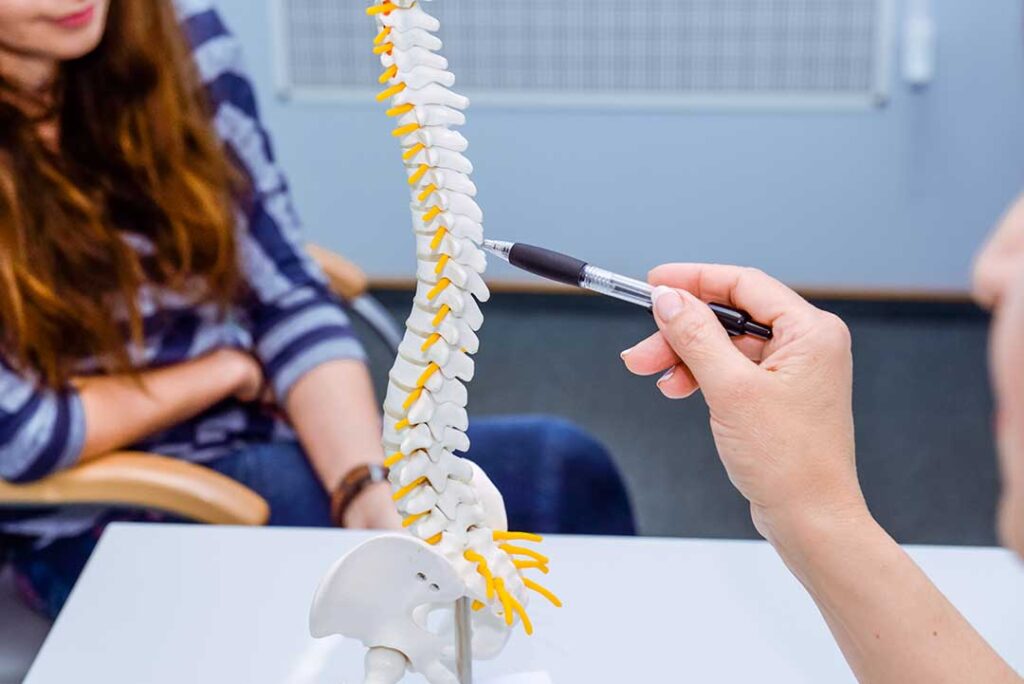
Digestive symptoms such as constipation, bloating, abdominal discomfort, and irregular bowel movements are common, but they can have many different causes. Chiropractic care may support comfort and movement in some situations, yet current evidence does not show that spinal adjustments can diagnose or directly treat most digestive disorders.
For residents of Smithtown, NY, the practical question is not whether chiropractic care is a universal treatment for digestive problems. It is whether musculoskeletal care may be a reasonable complement to appropriate medical evaluation, particularly when symptoms occur alongside back pain, abdominal-wall tension, limited activity, or stress.
Can chiropractic adjustments improve digestion?
The evidence is limited and does not establish chiropractic adjustments as a primary treatment for constipation, irritable bowel syndrome, acid reflux, inflammatory bowel disease, ulcers, or other gastrointestinal conditions.
Chiropractic care is primarily directed at the muscles, joints, and nervous system as they relate to movement and pain. Some people report changes in bowel comfort after manual therapy, but individual reports are not the same as strong clinical evidence. Digestive symptoms can also improve naturally, vary with diet, or change because of increased activity, hydration, sleep, or reduced stress.
A responsible approach is to avoid claims that an adjustment can “realign” the digestive organs or correct an underlying gastrointestinal disease. Those explanations are not supported well enough to replace medical diagnosis or evidence-based treatment.
Why might someone feel digestive relief after musculoskeletal care?
A person may feel better after hands-on care for reasons that do not involve directly treating the digestive tract.
For example, gentle movement or manual therapy may temporarily reduce back, rib, hip, or abdominal-wall discomfort. Less pain can make it easier to walk, exercise, sleep, or breathe comfortably. Those changes may indirectly support regular bowel habits.
Stress can also affect digestive symptoms. Irritable bowel syndrome, or IBS, involves recurring abdominal pain along with diarrhea, constipation, or both. It is considered a disorder of gut-brain interaction, meaning that the nervous system and digestive system influence each other. ([niddk.nih.gov](https://www.niddk.nih.gov/health-information/digestive-diseases/irritable-bowel-syndrome/definition-facts.?utm_source=openai))
If a person feels calmer after a visit, that may affect how symptoms are perceived. It does not prove that a spinal adjustment corrected the cause of IBS or another digestive condition.
Which digestive complaints should not be treated with chiropractic care alone?
Persistent or unexplained digestive symptoms deserve medical assessment because conditions that appear similar can require very different treatment.
Examples include:
- Constipation that is new, severe, worsening, or repeatedly returning
- Diarrhea lasting several days or recurring frequently
- Ongoing abdominal pain, bloating, or cramping
- Heartburn that occurs often or does not improve with appropriate self-care
- Unintentional weight loss, fatigue, fever, or reduced appetite
- Blood in the stool, black stools, or rectal bleeding
- Vomiting, abdominal swelling, or inability to pass stool or gas
Blood in the stool and unexplained weight loss should not be attributed automatically to a musculoskeletal problem. Mayo Clinic also identifies severe abdominal pain, vomiting, constipation, swelling, and inability to pass gas or have a bowel movement as possible warning signs of intestinal obstruction requiring prompt medical attention. ([mayoclinic.org](https://www.mayoclinic.org/symptom-checker/constipation-in-adults-adult/related-factors/itt-20009075?utm_source=openai))
Sudden severe pain, fainting, heavy bleeding, repeated vomiting, or a rigid or markedly swollen abdomen may require emergency evaluation.
Can chiropractic care help with constipation?
There is not strong evidence that spinal manipulation reliably treats constipation. Constipation is often influenced by fluid intake, fiber, physical activity, medications, pelvic-floor function, changes in routine, and medical conditions.
Movement may help some people maintain regular bowel habits. In a community where winter weather can reduce outdoor activity and holiday routines may change eating patterns, short indoor walks, regular meals, and adequate hydration may be more practical starting points than relying on manipulation alone.
For adults with IBS-related constipation, soluble fiber may help, but increasing fiber too quickly can worsen gas or bloating. The National Institute of Diabetes and Digestive and Kidney Diseases recommends gradual dietary changes and notes that individualized approaches, including a low-FODMAP plan, may be considered with appropriate medical or nutrition guidance. ([niddk.nih.gov](https://www.niddk.nih.gov/health-information/digestive-diseases/irritable-bowel-syndrome/eating-diet-nutrition%20?utm_source=openai))
New constipation should not be managed indefinitely with supplements, laxatives, or manual treatment without considering the cause.

What about bloating, gas, or IBS?
Bloating and gas can result from swallowed air, food intolerances, constipation, IBS, lactose intolerance, celiac disease, medication effects, or other digestive conditions. NIDDK notes that dietary changes may be used for gas symptoms and that supplements, probiotics, or complementary practices should be discussed with a healthcare professional because they may not be appropriate for everyone. ([niddk.nih.gov](https://www.niddk.nih.gov/health-information/digestive-diseases/gas-digestive-tract/treatment?utm_source=openai))
For IBS, treatment commonly focuses on identifying symptom patterns and using strategies such as dietary adjustments, physical activity, stress management, behavioral therapy, and medication when appropriate. NIDDK-supported research has found that cognitive behavioral therapy can improve symptoms for some people with IBS, underscoring the role of the gut-brain connection. ([niddk.nih.gov](https://www.niddk.nih.gov/news/archive/2018/primarily-home-based-cognitive-behavior-therapy-ibs?utm_source=openai))
Chiropractic care might be considered for coexisting back or joint discomfort, but it should not be presented as a cure for IBS.
Is chiropractic care appropriate if someone has acid reflux?
Acid reflux and gastroesophageal reflux disease, or GERD, are not conditions that should be assumed to result from spinal misalignment. Evidence-based care may include eating-pattern changes, weight management when relevant, smoking cessation, medications, and other treatment selected according to symptoms and medical history. NIDDK lists lifestyle changes and medicines among standard approaches for GERD. ([niddk.nih.gov](https://www.niddk.nih.gov/health-information/digestive-diseases/acid-reflux-ger-gerd-adults/treatment?utm_source=openai))
People with frequent reflux, trouble swallowing, persistent chest discomfort, vomiting, bleeding, or unexplained weight loss should seek medical evaluation. Chest symptoms should never automatically be labeled reflux or a spine problem.
How can chiropractic and medical care work together safely?
The safest model is coordinated care with clear boundaries. A chiropractor may evaluate musculoskeletal contributors such as back pain, restricted movement, or difficulty staying active. A medical clinician can evaluate digestive symptoms, review medications, order testing when needed, and determine whether a gastroenterology referral is appropriate.
Before manual treatment, it is useful to share:
- The exact digestive symptoms and when they began
- Changes in bowel frequency or stool appearance
- Current medications and supplements
- Recent illness, surgery, travel, or dietary changes
- Any bleeding, fever, vomiting, weight loss, or nighttime symptoms
A person should also be cautious about forceful abdominal techniques, unverified dietary restrictions, and claims that adjustments can treat ulcers, infections, cancer, inflammatory bowel disease, or other structural conditions.
For local households balancing work, school, commuting, and seasonal changes in activity, the most useful plan is usually a combination of appropriate medical evaluation, regular movement, adequate fluids, sleep, and individualized nutrition—not a single treatment used for every digestive complaint.
