
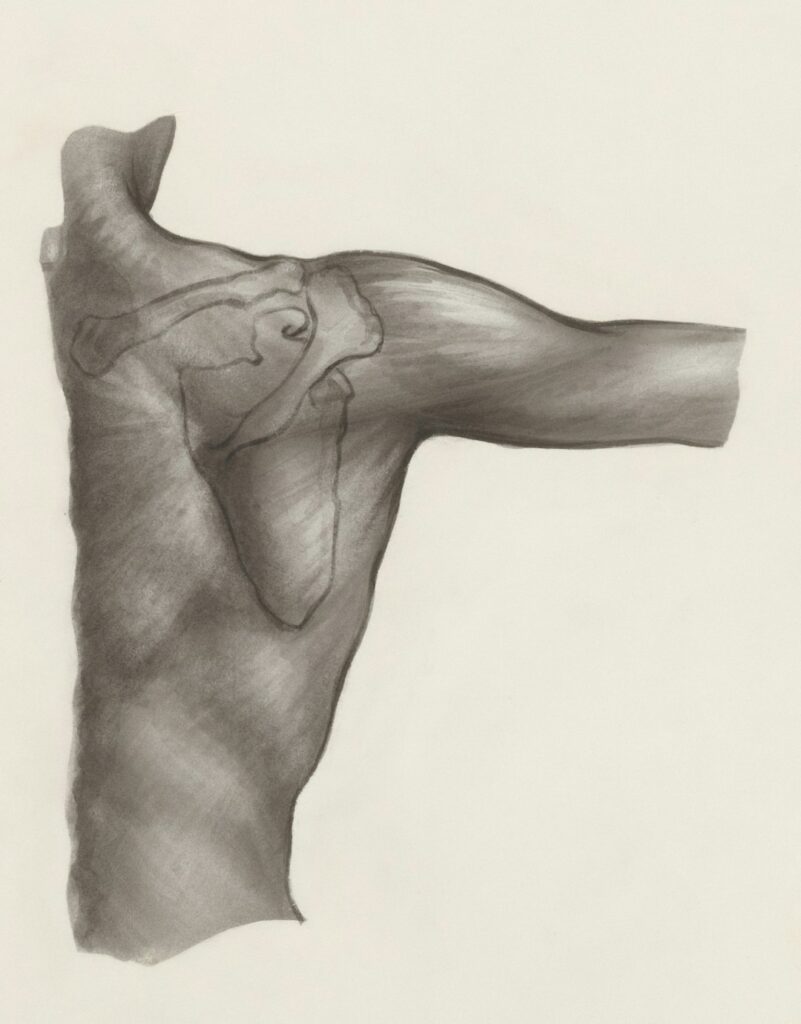
If you’ve ever noticed a popping or clicking sound coming from your shoulder—whether you’re working out at a local Smithtown gym, playing catch with your kids at Caleb Smith State Park, or simply reaching for something in the kitchen—you’re not alone. Shoulder popping is a frequent concern shared by many residents in Smithtown, NY, particularly due to active lifestyles and the region’s love for recreation and sports.
While an occasional pop might not be a cause for alarm, persistent or painful popping can indicate underlying issues that may benefit from professional evaluation. As your trusted Smithtown chiropractor, let's dive into what causes shoulder popping and how you can address it effectively to continue enjoying our beautiful Long Island community without discomfort.
Why Does My Shoulder Pop?
The shoulder is a complex joint, engineered for an incredible range of motion. This flexibility, however, makes it prone to several conditions that may cause popping sounds, known medically as crepitus.
Common Causes of Shoulder Popping
- Gas Bubbles (Cavitation):
- Sometimes, moving your shoulder causes harmless gas bubbles in the joint fluid to "pop," producing a clicking noise. This is the same phenomenon that happens when you crack your knuckles and is usually not associated with pain.
- Tendon or Ligament Movement:
- Tendons or ligaments may snap over bony structures or other tendons, causing a noticeable click. This is common in people who swim laps at the Smithtown Landing Country Club pool or participate in repetitive overhead activities.
- Labral Tears:
- The labrum is a cartilage ring that surrounds your shoulder socket. Tears can occur from traumatic injuries (like a fall at Blydenburgh Park) or from overuse in athletes. These often produce a popping sensation accompanied by pain, weakness, or instability.
- Shoulder Impingement or Bursitis:
- Inflammation or swelling within the shoulder structures can lead to impingement or bursitis, which can cause popping during motion, often seen in gardeners and those doing physical work outdoors, typical of our local Smithtown residents.
- Rotator Cuff Tears or Injuries:
- Tears in the rotator cuff often arise with age, heavy lifting at work, or repetitive sports activities. These can cause a grating or popping noise, especially when lifting your arm.
- Arthritis:
- Wear and tear on the shoulder joint cartilage (common as we age) can lead to osteoarthritis. This frequently results in a grinding sensation with movement, a common concern for Smithtown’s active seniors enjoying retirement activities.
When Should You Worry About Shoulder Popping?
Not all shoulder popping needs medical attention. If your shoulder is not painful and the noise is infrequent, it’s likely not cause for concern. However, you should seek professional guidance if you notice:
- Persistent or severe pain
- Swelling or visible changes around your shoulder
- Weakness, numbness, or tingling in the arm
- Locking or catching of the joint
- A sensation of instability or the shoulder “giving out”
Smithtown locals are known for their can-do attitude, but pushing through pain can lead to long-term problems—an ounce of prevention truly is worth a pound of cure.
Solutions and Treatment Options
At-Home Strategies
While waiting for a professional assessment, these approaches may help relieve benign shoulder popping:
- Rest and Modify Activities:
- Adjust your workout routine at local gyms like LA Fitness or avoid repetitive overhead motions.
- Gentle Stretching:
- Light shoulder mobility exercises can maintain flexibility. For Smithtown residents heading to the Nissequogue River for kayaking, proper warm-up is key.
- Apply Ice:
- If swelling or pain is present, apply an ice pack for 15-20 minutes at a time.
- Over-the-Counter Medication:
- Non-steroidal anti-inflammatory drugs (NSAIDs) can reduce pain and inflammation.

Professional Care in Smithtown, NY
A local chiropractor or physical therapist can assess your condition and tailor a treatment plan. Specific strategies may include:
- Manual Adjustments and Mobilization:
- Gentle chiropractic adjustments help restore function and relieve tension in the shoulder joint without invasive procedures.
- Strengthening and Rehabilitation Programs:
- Controlled exercises focus on core and shoulder stability, especially for Smithtown’s athletes, golfers, and weekend warriors.
- Soft Tissue Therapy:
- Techniques such as massage, myofascial release, or trigger point therapy treat muscular imbalances that may contribute to popping.
- Ergonomic and Lifestyle Advice:
- Tips for safer lifting and posture whether you’re landscaping your Smithtown backyard or working from home.
When to Consider Advanced Care
If conservative management fails or you experience worsening symptoms—such as persistent pain, loss of motion, or signs of a severe tear—your chiropractor may refer you for advanced imaging (like an MRI) or to an orthopedic specialist. Some injuries (including large rotator cuff or labral tears) might require surgical intervention, but many can be successfully managed with a proper rehab strategy.
Preventing Shoulder Issues in Smithtown
Living in Smithtown encourages an active lifestyle, but prevention goes a long way:
- Warm up before sports or exercise, especially if you participate in local leagues or fitness groups.
- Focus on shoulder and core strength rather than just arm muscle.
- Use proper form when lifting or performing overhead tasks at work or home.
- Don’t ignore minor aches—address them before they become chronic problems.
Conclusion
Shoulder popping is a common question among Smithtown, NY residents, particularly given our active, community-oriented lifestyle. While many causes are harmless, ongoing pain or dysfunction should prompt an evaluation by a healthcare professional, such as your trusted Smithtown chiropractor. With the right approach, you can keep enjoying all that our wonderful town has to offer—pain free and with full mobility.
If shoulder popping is interfering with your daily activities, don’t wait. Early intervention is the key to lasting shoulder health, whether you’re at the gym, on the water, or simply reaching overhead at home.
